

#What FLOW adds
A Skill captures instructions and resources for useful work. FLOW packages a procedure as a method your software can call. Your application supplies input and receives an outcome with output data. The method can use code, Agent judgment, or both.
A Flow is the package containing that method. A compatible host executes it with the required runtime and local powers.
#Start with the result your application needs
Illustrative example: classify a support request. An application needs a queue suggestion before deciding how to handle a request. It supplies this input:
The classifier returns an outcome and useful data:
The application handles the result the same way whether the classifier uses instructions or code. It still checks the suggestion before taking a consequential action. Successful execution establishes that the method finished. Application checks establish whether its answer is suitable.
#Choose how the method does its work
For this example, three implementations could produce the same result shape:
The caller supplies the same input and handles the same declared outcomes. Implementation changes can still alter quality, latency, cost, effects, and required powers. Evaluate those differences when choosing a method.
Skills can already bundle scripts, and software can invoke those scripts directly. FLOW adds a common package and invocation boundary around the complete method. Bringing a Skill into that boundary requires its resources, tools, and constraints to fit the receiving runtime. The Skill compatibility reference describes the current differences.
#Build another capability from it
An intake method could combine the classifier with a policy check and a method that drafts a response. Its caller receives one result without coordinating each child's internal steps. These are illustrative choices for this application.
This is capability compounding: combine useful methods to accomplish more. Evaluation establishes whether the combination helps. A portable method can still carry unsuitable assumptions or produce a wrong answer.
#Keep the boundary small
FLOW specifies the package and finite invocation boundary. The method owns its procedure. Its runtime advances the program or graph that performs the work. The host supplies execution support and authorized powers. The application decides what the result means for its users.
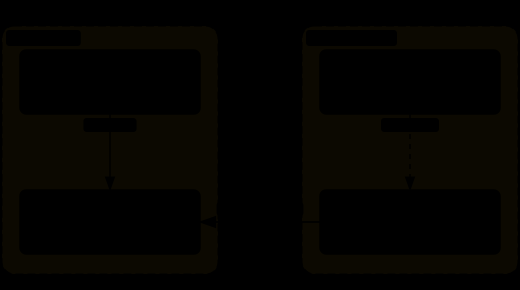
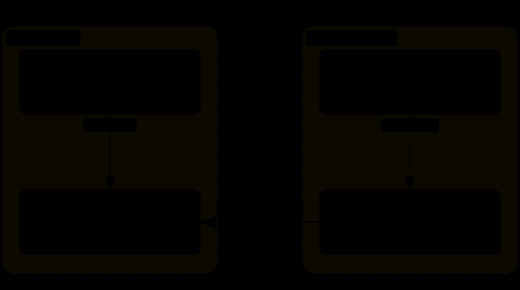
This division lets callers use a method without adopting its internal framework. It also keeps FLOW independent of Jig, Agent vendors, and any one language. Hosts and runtimes explains how those responsibilities fit together.
#Try the boundary
Run your first Flow to see input become a result on a supported host. Then build with Flows by adapting a Skill, writing a method, or composing existing methods. Use the reference when you need an exact API or format.